The Expat's Guide to Japan
Everything you need to know about living and working in Tokyo & Yokohama
More results...
Blog Archives
Sapporo Snow Festival

(original photo by daita saru; CC BY 2.0)
2024 Sapporo Snow festival will be held from 4th February to 11th February. The Snow Festival is one of Hokkaido’s most famous events, with Sapporo’s main street lined with statues and sculptures made with ice and snow. Every year more…
Owara Kaze-no-bon
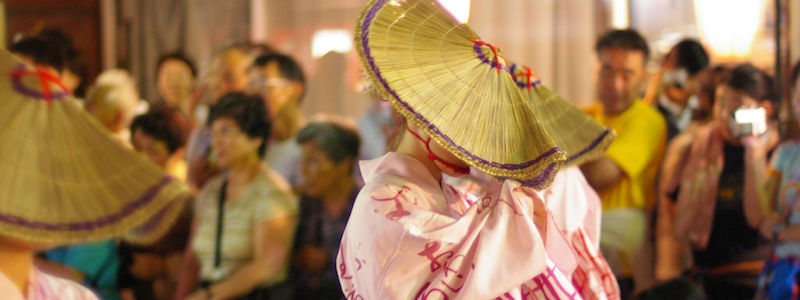
(original photo by つだ; CC BY-SA 2.0)
Matching their dance with the sentimental mood of the folk song “Etchu Owara” (越中おわら節), the dancers at this festival dance in a more subdued and elegant manner, while parading through town. On occasion, spectators are also welcome to join the…
Kanda Festival
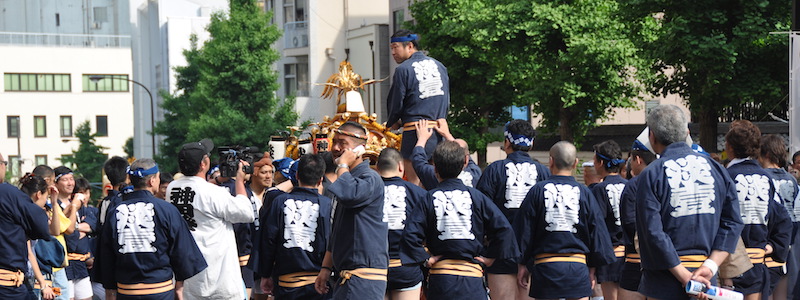
(original photo by Marufish; CC BY-SA 2.0)
This festival takes place at Kanda Myōjin (神田明神, Kanda Shrine), which has a history going back 1300 years. Alongside the Sannō festival and the Fukagawa festival, this event makes up one third of the three great Edo festivals. Moreover, together…
Workshop: Learning the basics of washoku
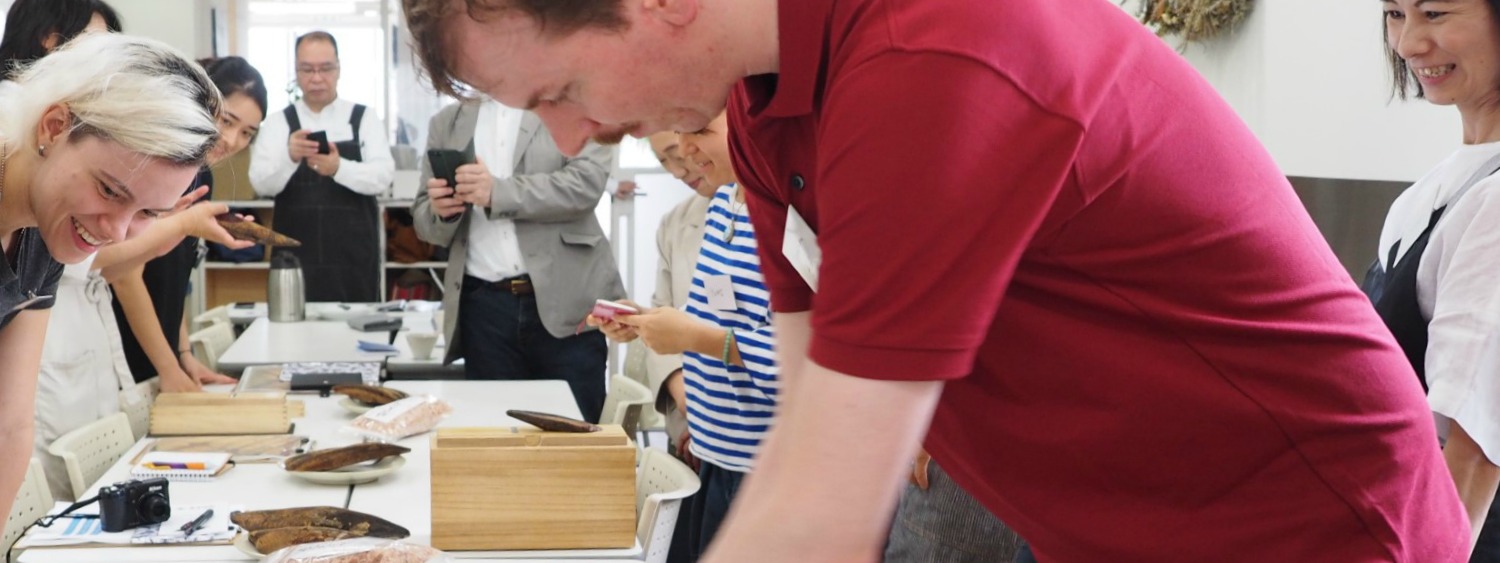
How much do you know about Japanese cuisine, or “washoku”? In 2013, traditional Japanese food was granted Intangible Cultural Heritage status by UNESCO, bringing about a sudden washoku boom across the world. Despite this surge in popularity, there is a…
Traditional Japanese Craft Workshop at Suntory Museum of Art
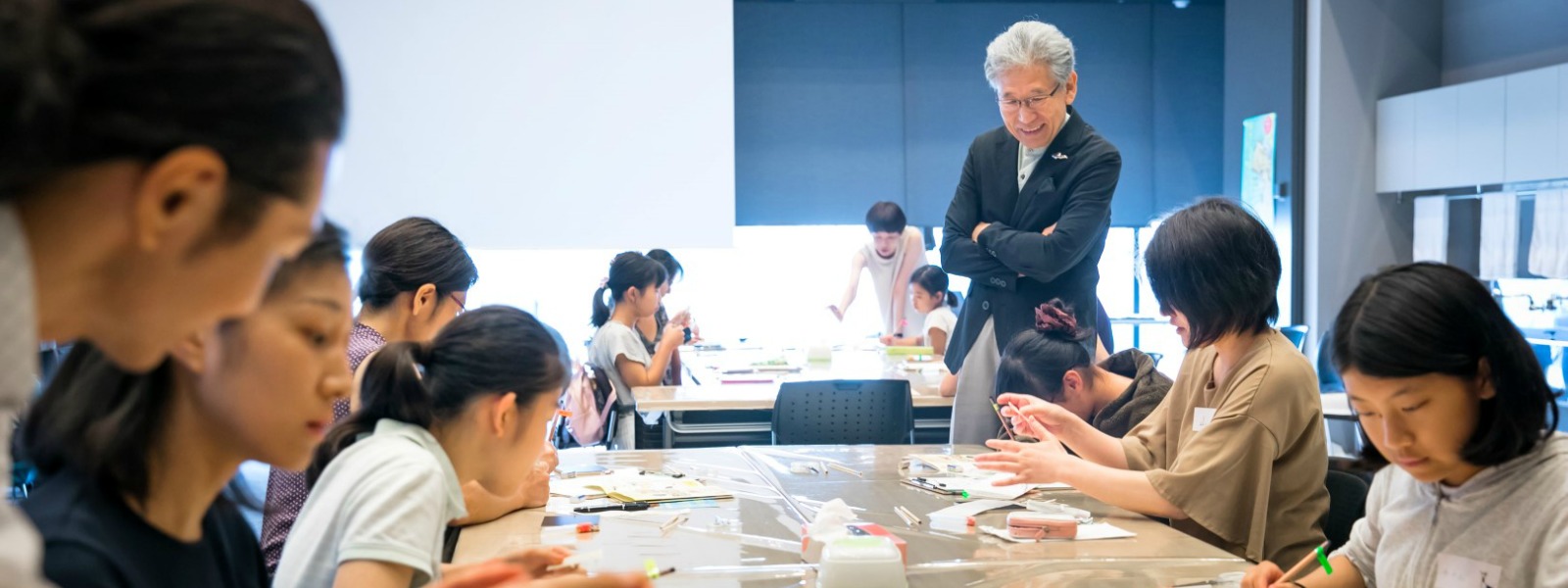
※This event has been finished. For those interested in traditional arts and crafts, Suntory Museum of Art is hosting an English-language workshop focusing on urushi (lacquerware) on October 29th. Held in cooperation with The Japan Kogei Association, the workshop will…
Asakusa Yabusame
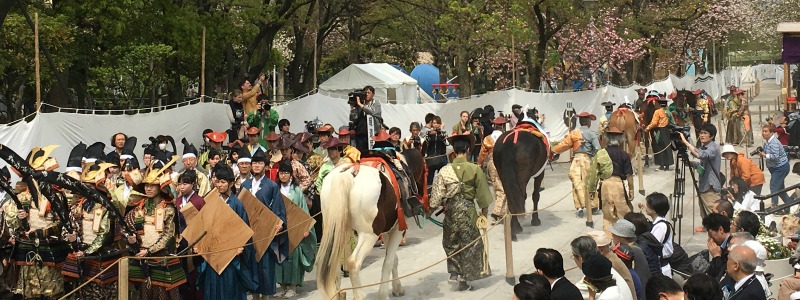
※Asakusa Yabusame will be held around April every year. Among the lesser known of Japan’s martial arts is yabusame, a form of horseback archery. Yabusame events take place across the country throughout the year. Expat’s Guide went along to this…
Tokyo Citizen’s Day
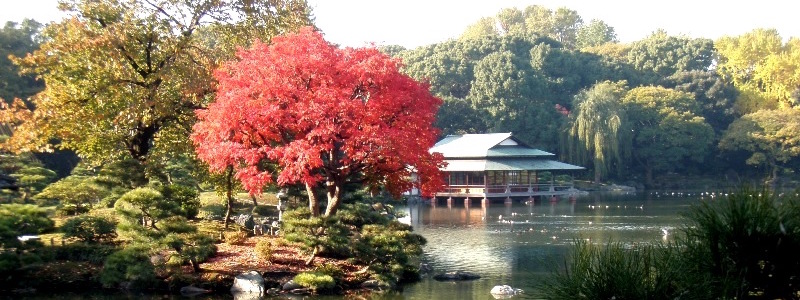
The 1st of October is Tokyo Citizen’s Day (都民の日, tomin no hi), on which many public parks, museums, galleries and other facilities offer free entry. Though not a public holiday, when it falls on a weekday most public school children…
Asakusa Samba Carnival Parade Contest
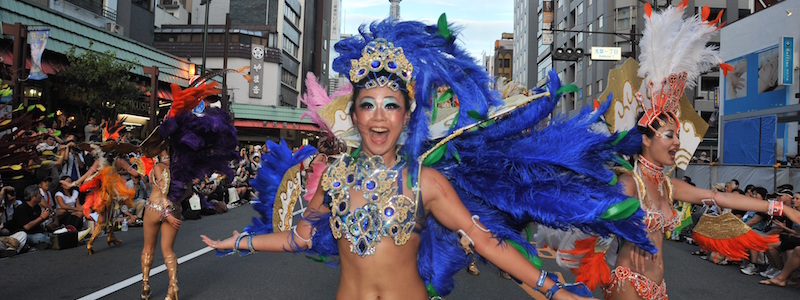
(original photo by 浅草サンバカーニバル実行委員会; All rights reserved)
There aren’t many things that can make the humid Japanese summer feel even hotter, but if anything can, it’s samba! The Asakusa Samba Carnival has been held in Tokyo for over thirty years, and celebrates the bonds of culture between…
Sumida River Fireworks Festival from Skytree
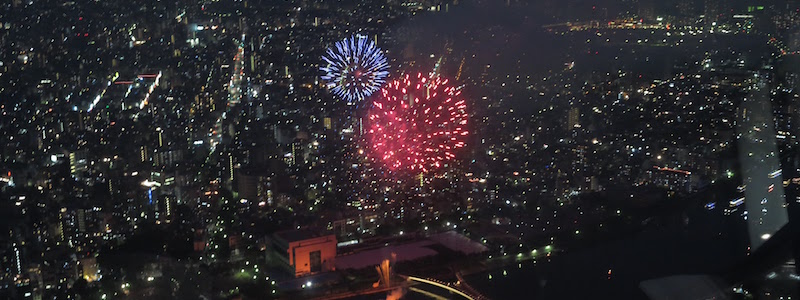
One of the oldest and largest displays of its kind, the Sumida River Fireworks Festival is attended annually by thousands of people who brave the intense summer humidity and crowd the nearby streets and designated viewing venues to enjoy the…
Wa no Akari x Hyakudan Kaidan
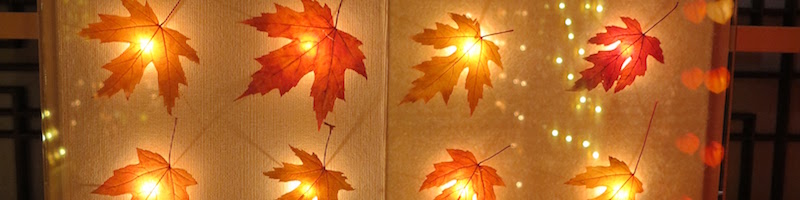
As of 2026, Meguro Gajoen is no longer in operation. We will provide updates here as soon as more information becomes available regarding the Hyakudan Kaidan. If you’d like a taste of summer culture from across Japan, look no further…
Sapporo White Illumination
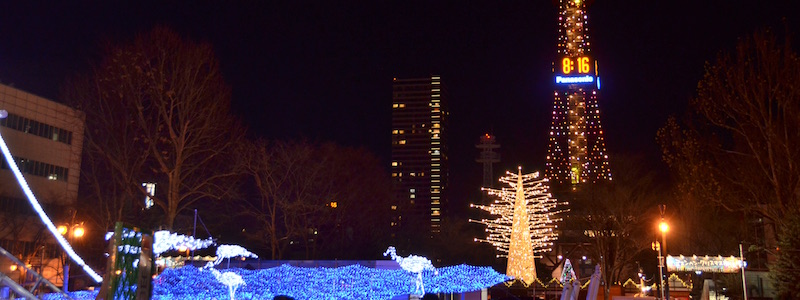
Along with the Sapporo Snow Festival, this artistic light display has become a well known reminder of winter. Now in its 46th year, the festival grew from one location and 1,000 light bulbs to become known throughout the country. Objects…
Hachinohe Emburi
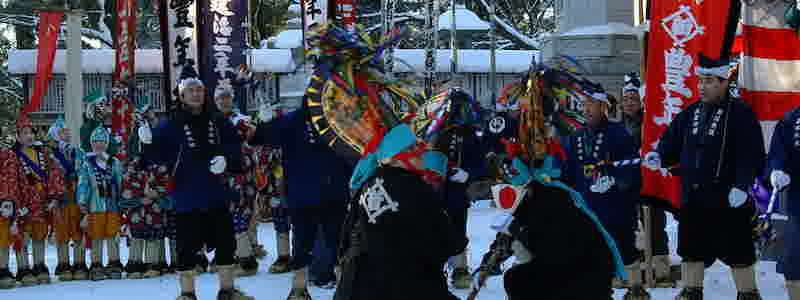
This festival is carried out in hope of a successful harvest. Dancers wearing hats representing horse head carry out a very unique and stylized dance, in which they wave their heads back and forth, while singing traditional rice farming songs.…
Aomori Nebuta
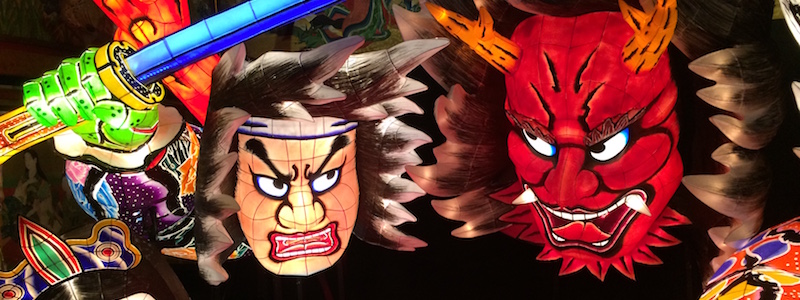
At this festival, giant models of warriors and lantern decorated floats are taken through the city among powerful shouts. One of the many theories about the origin of the festival is that it is based on the “Tanabata” festival, during which…
Akita Kanto Festival
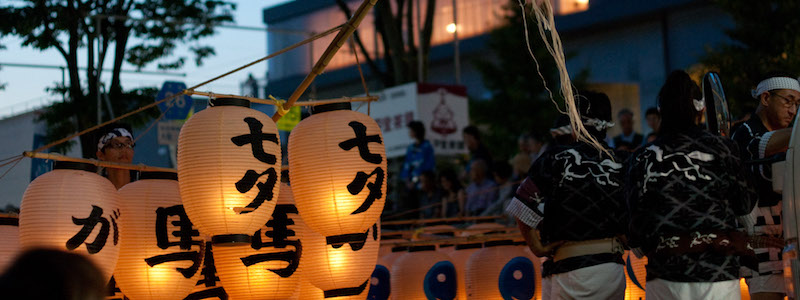
(original photo by Yasuhiro_S; CC BY 2.0)
This festival originated from the ancient tradition of fending off the evil spirits of the summer, in hope of better health and crops. Participants parade through the streets with giant bamboo sticks to which an uncountable number of paper lanterns…
Yamagata Hanagasa Festival
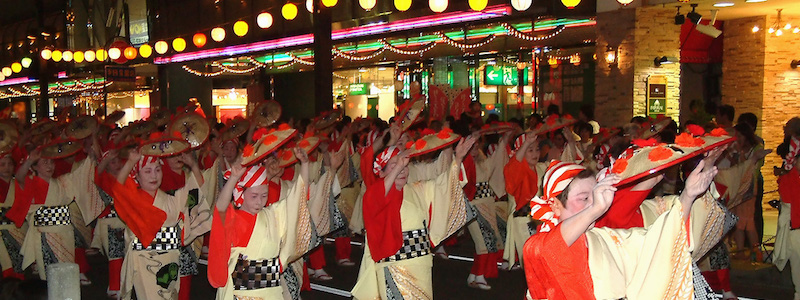
This parade centers around floats, lavishly decorated with flower arrangements, and the accompanying dancers, dancing to Hanagasa Ondo folk songs, with their trademark red flower hats in hand. Over the three days of the festival, more than 1 million spectators…
Sukagawa Taimatsu Akashi
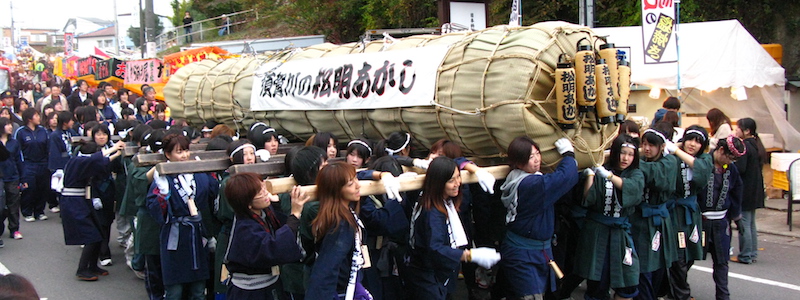
(original photo by This-is-Fukushima; CC BY 2.0)
Counted as one of the three largest fire festivals in Japan, this powerful and magnificent festival lights up the late fall season. Started to mourn the lost soldiers of Sukagawa Castle, which fell over 400 years ago, the festival consists…
Sannō Festival
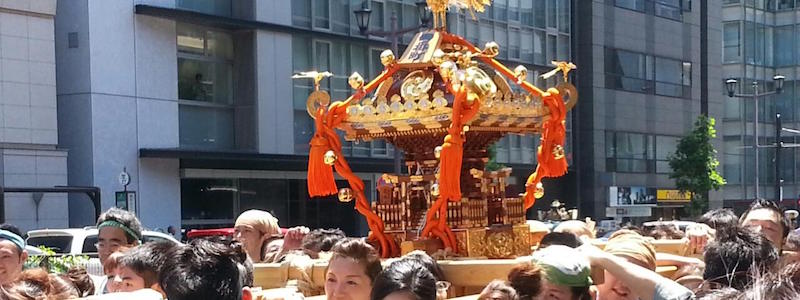
(original photo by Hajime NAKANO; CC BY 2.0)
This is one of the three major Edo festivals (江戸三大祭). This historic festival centers around Hie Shrine (日枝神社), the patron shrine of a wide area of central Tokyo which includes the Tokyo Imperial Palace compounds, and is meant to express…
Big Float Festival of Sawara
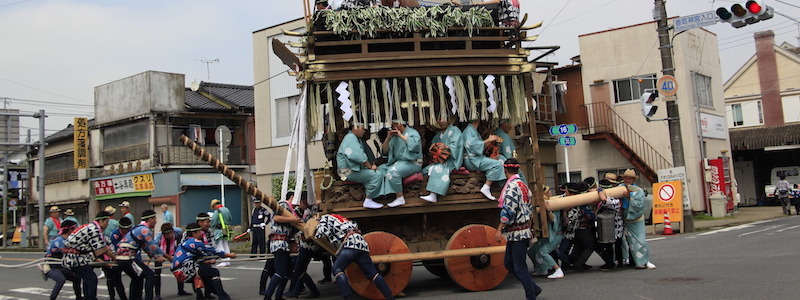
Sawara no Taisai (佐原の大祭, The Big Float Festival in Sawara) is a traditional festival that dates back more than 300 years. The festival takes place twice a year, once in July in the Honjuku area (the east side of the…
Kawagoe Festival
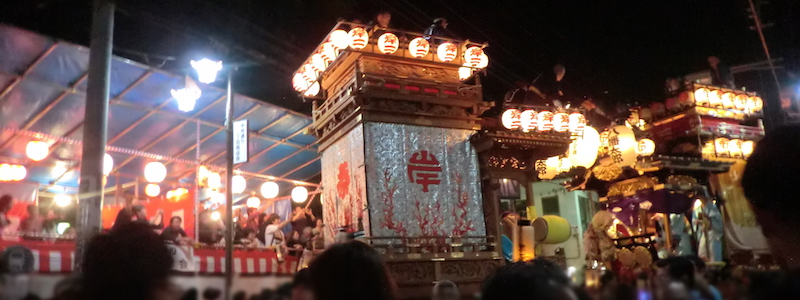
(original photo by senngokujidai4434; CC BY 2.0)
The Kawagoe Festival (川越まつり) is a brilliant, gorgeous festival that takes place in what is often referred to as “Koedo” (小江戸), or Little-Edo, a town known for its many, well preserved, old fashioned Japanese ware-houses and businesses from several centuries…
Torinoichi
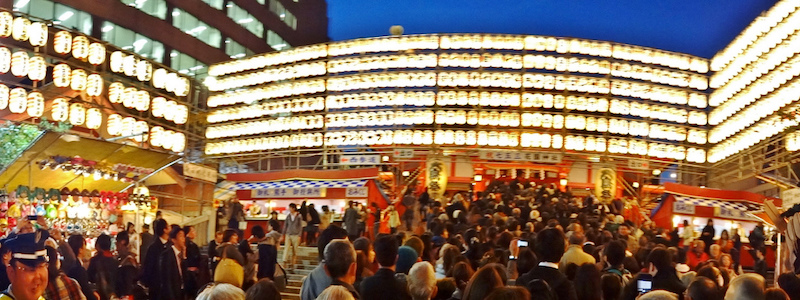
(original photo by Dick Thomas Johnson; CC BY 2.0)
Torinoichi (酉の市) is the religious festival of Otori Shrine that takes place every year on the Day of the Rooster (酉の日, Tori no hi) in November. The festival flourished around the Kanto area during the Edo Period, with the celebration…


