The Expat's Guide to Japan
Everything you need to know about living and working in Tokyo & Yokohama
More results...
Blog Archives
Trip – Shimane and Tottori
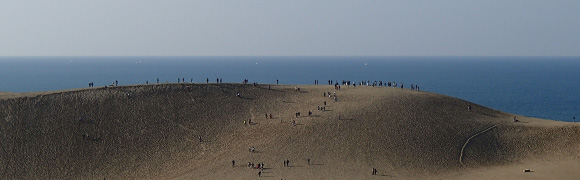
Off the beaten path and a little exotic, the San-in Coast offers both the Japanese quintessential temple experience and something a little more unique. Located on the lower western coast of Honshu, the Shimane and Tottori prefectures may not have…
Kamakura Koyo Drive
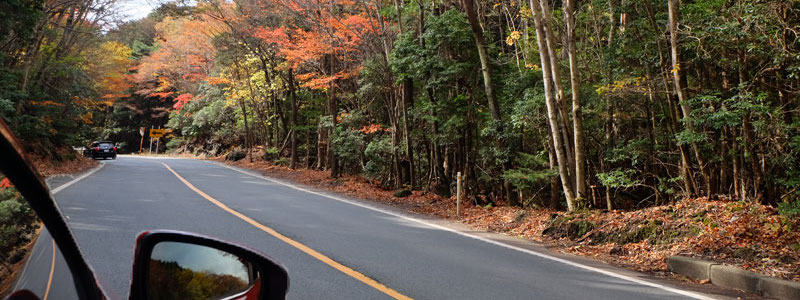
Kamakura (鎌倉) is a coastal town in Kanagawa Prefecture, which used to be the capital in 12th and 13th century Japan. It’s about an hour driving south of Tokyo. It has a whopping 65 temples and 19 shrines, along with…
Hunting Fireflies

The end of May and throughout June is firefly season in Japan. Beginning with the genjibotaru (ゲンジボタル, laciola), you can spot many different varieties of fireflies near clear streams. Firefly viewing is a time-honored tradition and one of the features…
Jimbocho: Heaven for book lovers

One of the largest secondhand book markets in the world is centered on the intersection of Yasukuni-Dori and Hakusan-Dori in the Kanda district of Tokyo. Known as Tokyo’s book town, Jimbocho (神保町) is home to a concentration of over 170…
Trip to Eastern Akita (3) – Lake Tazawa and Kakunodate
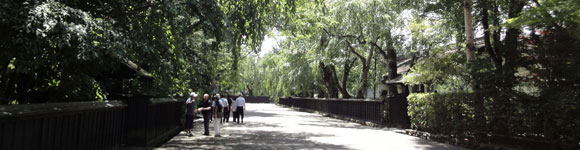
Lake Tazawa (Tazawako) Leaving Tsurunoyu Onsen, we travelled further into the mountains. After about 30 minutes, we suddenly caught sight of the blue of a lake through the spaces in the trees. As the car left the mountain forest, our…
Trip to Eastern Akita (2) – Nyuto Onsen
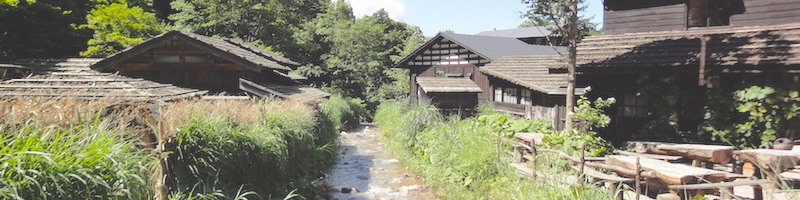
Following dinner, we set out from Misato-cho for , about an hour and 15 minute drive by car. Our ryokan, a single structure called , maintained a modern appearance amidst the rustic onsen village, situated in a lush forest at…
Michi no Eki: Japan’s Roadside Stations
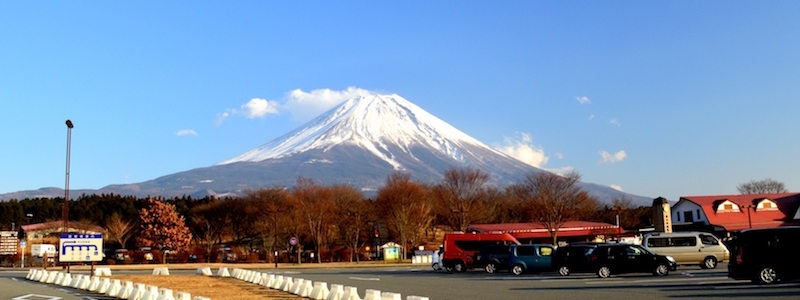
Japan’s toll-based kōsokudōro (高速道路, expressways) stretch the length and breadth of the country, offering faster and more direct routes between cities than ippandōro (一般道路, regular roads). To make cross-country road journeys more manageable, the expressways have regular service areas with…
Sadogashima (Sado Island)
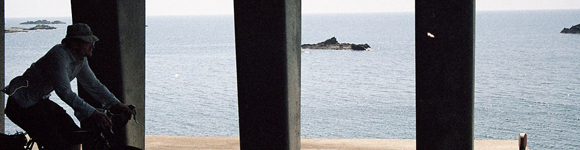
Sado Island might appear small on the map but its separation from the mainland, as well its diversity of terrain and abundance of nature make it seem much larger than it looks. From the port in Niigata – two hours…
Daikanyama: Shibuya’s Stylish Laid Back Sister
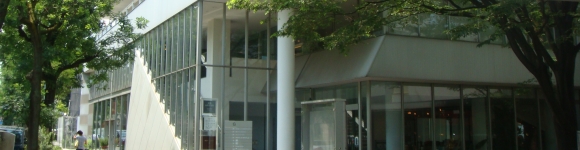
For many first time visitors to Japan, Tokyo is usually defined by the major stations on the Yamanote Line. Shinjuku for department stores and skyscrapers, Harajuku and Shibuya for a glimpse at Japanese youth culture, Akihabara for electronics, games and…
Shiretoko
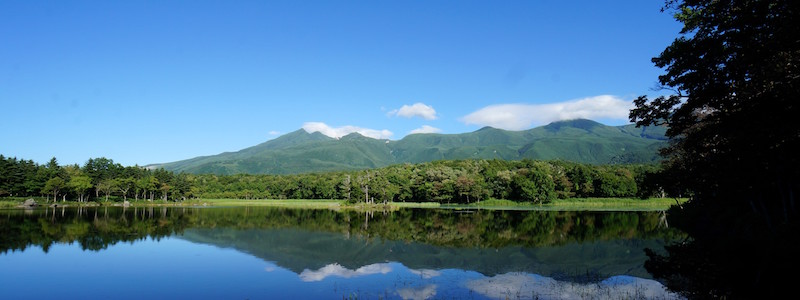
(original photo by Mr Hicks46; CC BY-SA 2.0)
Shiretoko is the southernmost point in the northern hemisphere with seasonal sea ice, which makes it the home for a unique and original natural landscape. It is abundant in marine life represented by salmon, as well as a rich diversity…
Shirakami-Sanchi

(original photo by 8 og; CC BY 2.0)
Of the 130,000 hectare of mountainous terrain in Akita and Aomori prefecture, more than 17,000 hectare has been designated as a World Heritage Site. This area remains completely untouched by humans and includes the world’s largest beech forest, as well…
Shirakawa-go and Gokayama
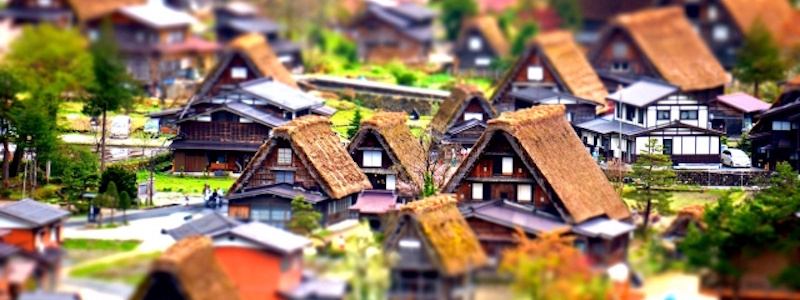
This village is famous for its houses with traditionally thatched roofs and its renowned rearing of silkworms. Together with the surrounding mountains and fields, it creates a truly beautiful landscape. Due to the notorious winter snowfalls, this community was occasionally…
Sacred Sites in the Kii Mountain Range
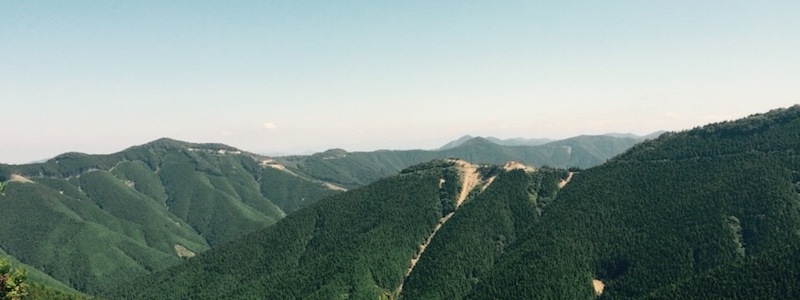
The three sacred mountain ranges Yoshino/Omine, Kumano Sanzan and Koyasan and the connecting pilgrimage path have had an immensely important effect on Japanese religious and cultural growth and exchange. This is a place famous as the origin of the special…
Historic Monuments of Ancient Nara
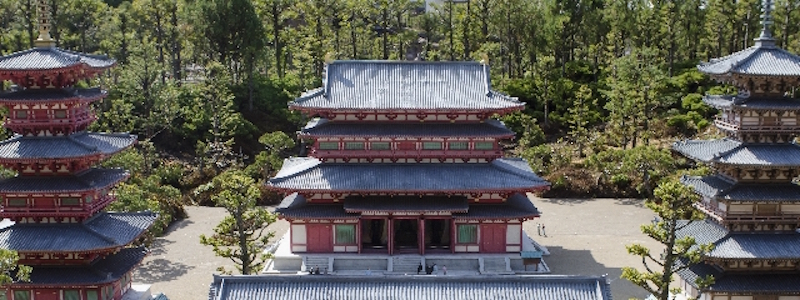
In Nara, which had been the Japanese capital from 710 to 784, before this moved to Kyoto, you can feel the long lasting effect that religion had, and still has, on the city in the form of Buddhist temples and…
Buddhist Monuments in the Horyuji Area
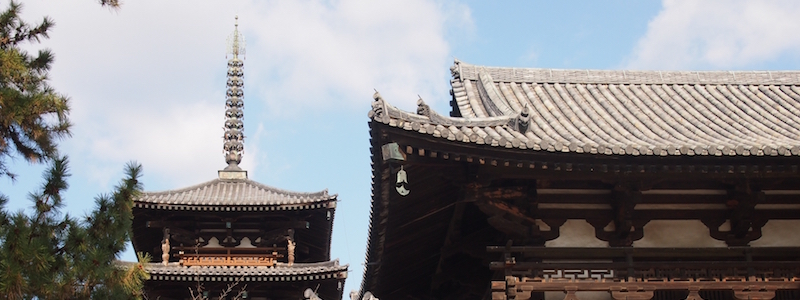
The Horyuji Temple (法隆寺), which was completed in the year 607, is known as the world’s oldest remaining wooden structure. It was also Japan’s first ever designated World Heritage Site and during the time following its construction had a profound…
Historic Monuments of Ancient Kyoto
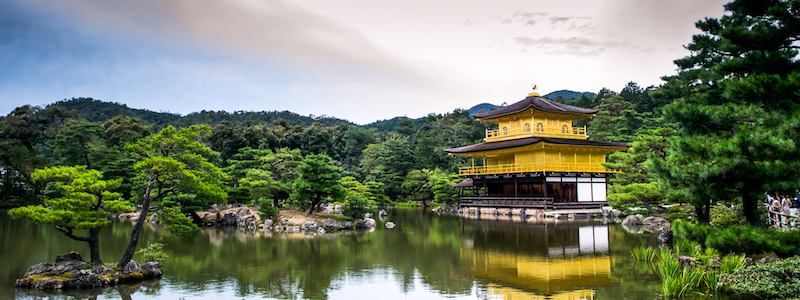
(original photo by Luftphilia; CC BY 2.0)
The ancient monuments of Kyoto are world famous and one of Japan’s most beloved sightseeing spots. The Kiyomizu Temple (清水寺) as well as Kinkakuji (金閣寺, golden pavilion) in Kyoto City, Byodoin (平等院) in Uji City and the Enryaku Temple (比叡山延暦寺)…
Himeji Castle
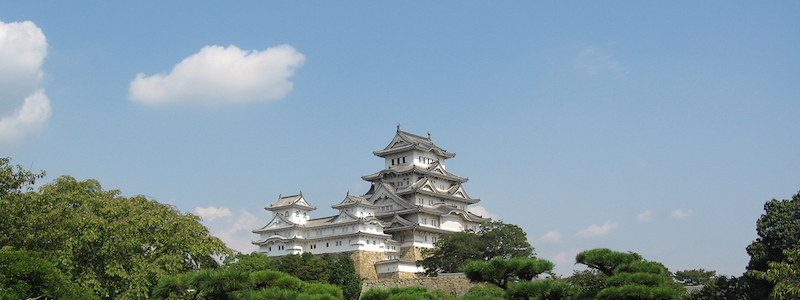
(original photo by jim; CC BY-SA 2.0)
Representative of early 17th century Japanese castle architecture, Himeji Castle (姫路城) is regarded as one of Japan’s most impressive wooden structures. The beautiful white stucco walls make the building not only beautiful to look at, but also act at as…
Iwami Ginzan Silver Mine
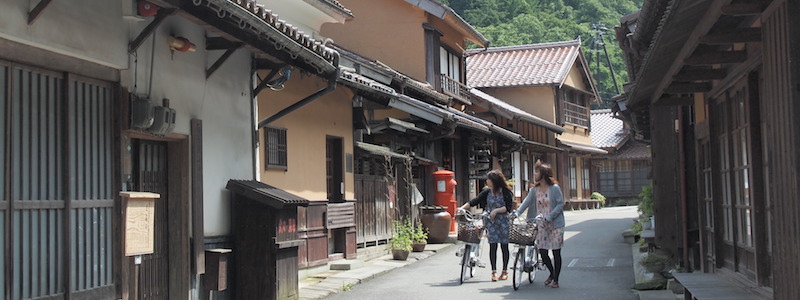
(original photo by yuen yan; CC BY-SA 2.0)
With a history of about 400 years in mining, this is Japan’s most well known silver mine. It is estimated that 30% of the silver that was in circulation during the 100 years between the middle of the 16th and…


