Experience “Hatsumōde” at the UNESCO World Heritage Kumano Sanzan
The Essence of the Japanese New Year and “Hatsumōde”
In Japan, the New Year is not just a time for celebration; it is a spiritual period to quiet the mind, reflect on the soul, and pray for happiness in the coming year. A symbolic ritual of this season is “Hatsumode”—the first shrine or temple visit of the year.
If you seek to go beyond the typical tourist paths and touch the true spiritual heart of Japan, why not journey this year to the sacred region of Kumano? A sanctuary unlike any other in the world, where the path itself is a World Heritage Site, awaits you.
Why Kumano for the New Year?
For over a millennium, the Kumano mountains in Wakayama Prefecture have been revered as a “Land of the Gods.” The defining theme of this region is “Death and Rebirth.”
Historically, everyone—from imperial family members to commoners— trekked the rugged pilgrimage routes to reach this place. Visiting Kumano was believed to reset one’s past self and allow rebirth as a new person. There’s no better place to kick off your “New Year, New Me” journey.
The Pilgrimage:The Story of Each of the Three Kumano Shrines
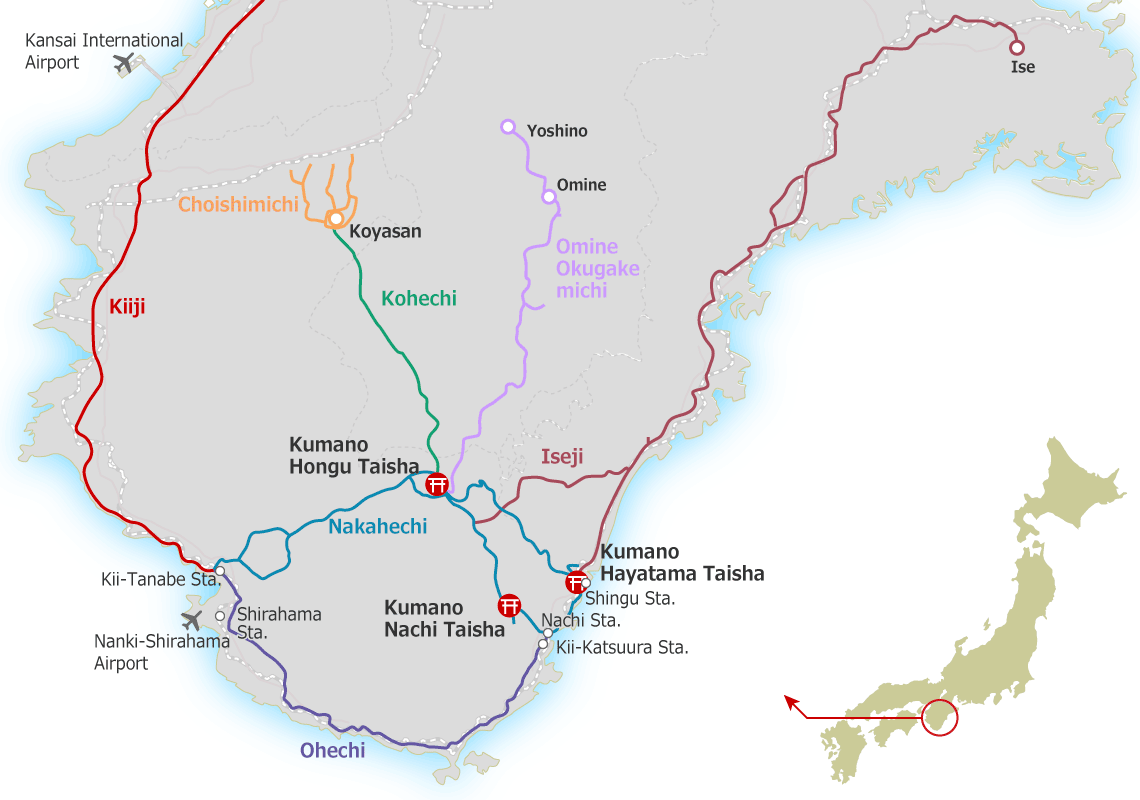
Image from: https://www.tb-kumano.jp/en/kumano-kodo/
1. Kumano Hongu Taisha: The Place of Ends and Beginnings
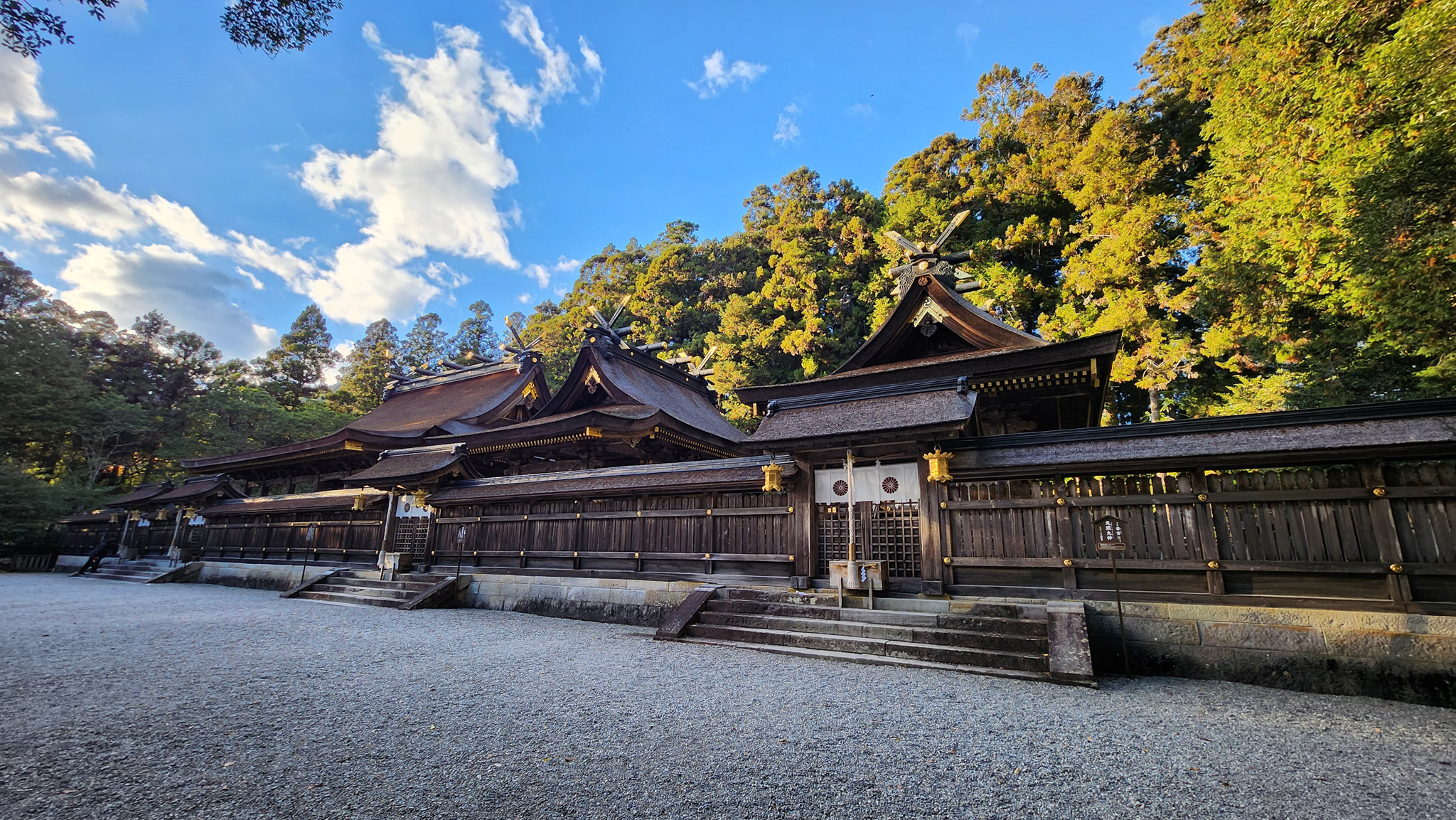
This shrine serves as the spiritual epicenter and the final destination for pilgrims coming from the ancient capital. It represents both an end to the old journey and the start of a new one.
●Oyunohara(大斎原):
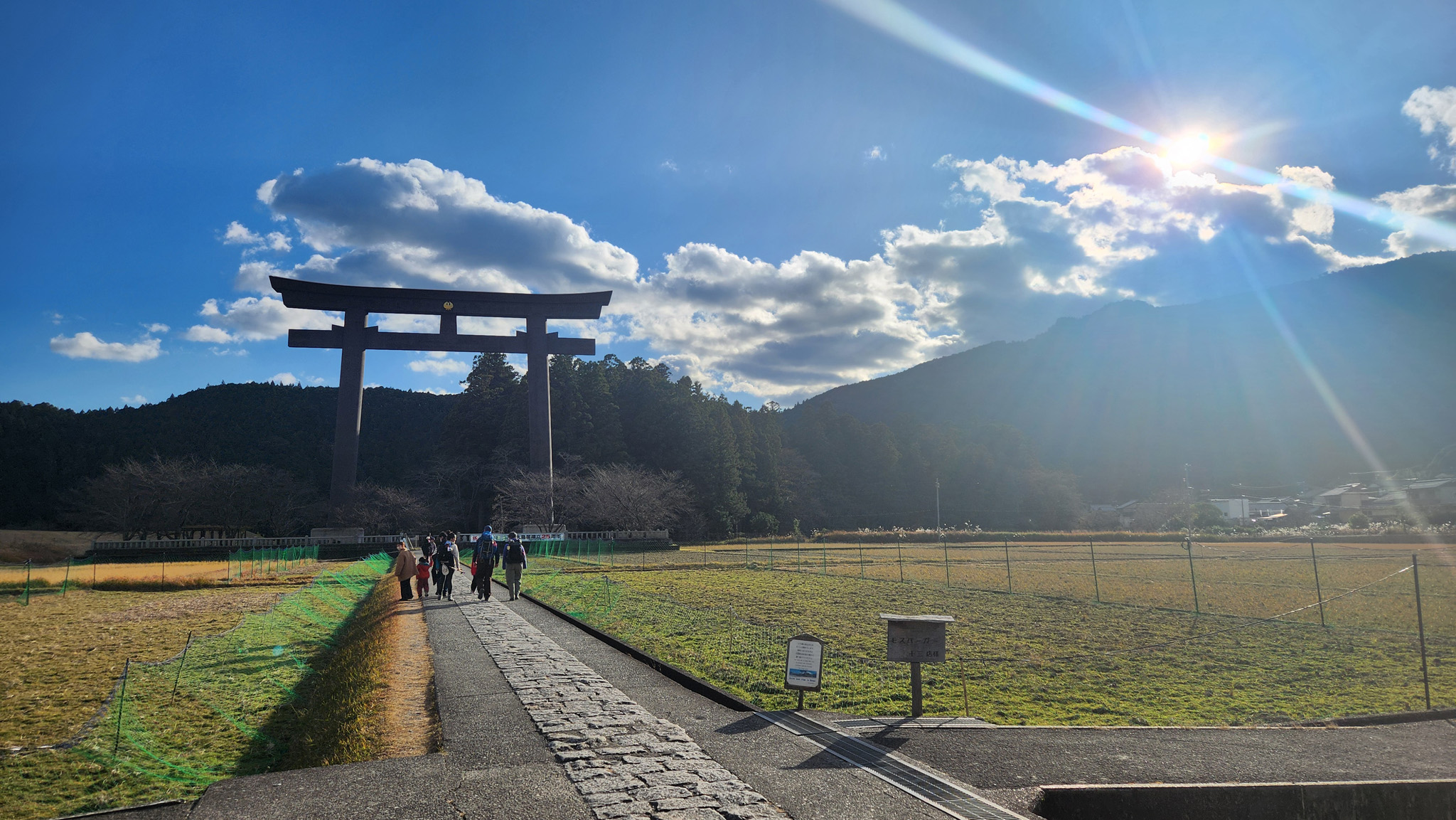
A short walk from the current shrine lies Oyunohara, the original site where the deity first descended. Marked by the world’s largest Torii gate (34m tall), this area is an overwhelming “Home of the Soul.”
●Note:
Photography is strictly prohibited within the sacred grounds of Oyunohara. We invite you to put down your camera, stand in the stillness, and feel the powerful energy with your own heart.
2. Kumano Hayatama Taisha: Purifying the Past
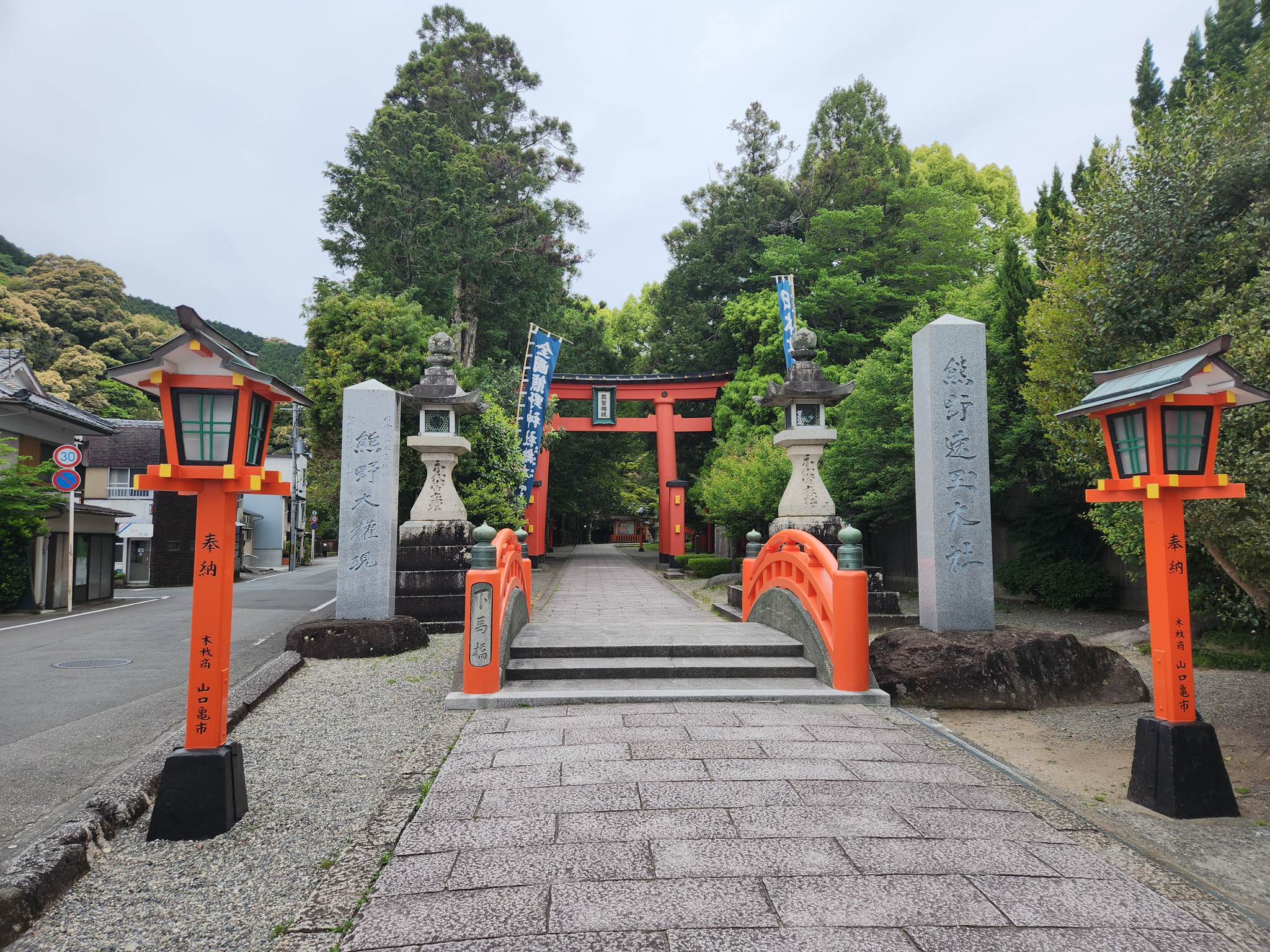
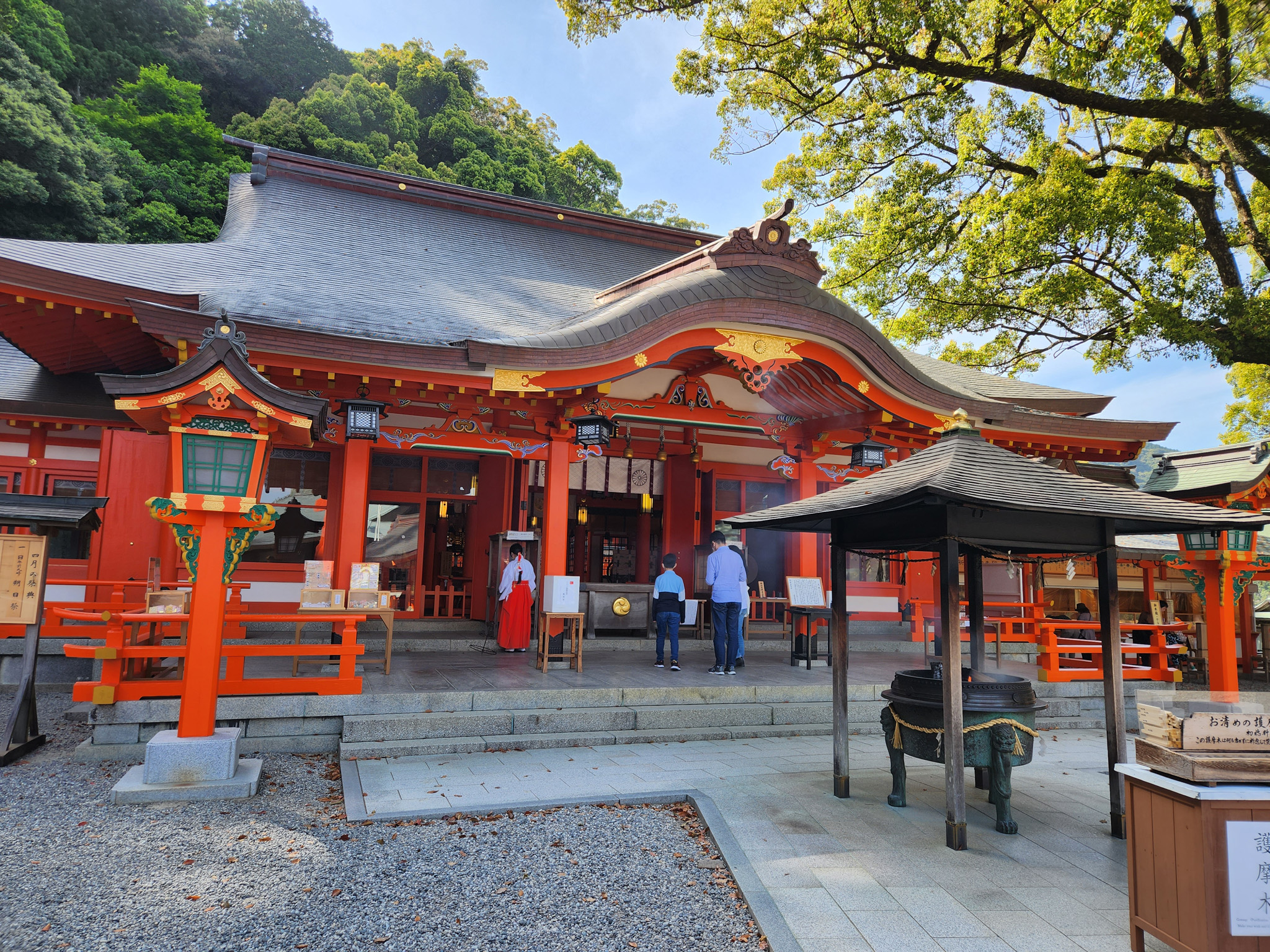
This shrine, beautiful with its vivid vermilion-lacquered main hall, is said to play the role of “purifying sins from past lives” in the three-shrine pilgrimage. Purifying your mind and body here prepares you to embrace a new destiny.
●Gotobiki-iwa Rock:
Located on nearby Mt. Kamikura, this massive, frog-shaped boulder is where the gods are said to have first touched down in Kumano.
●Essential Safety Warning:
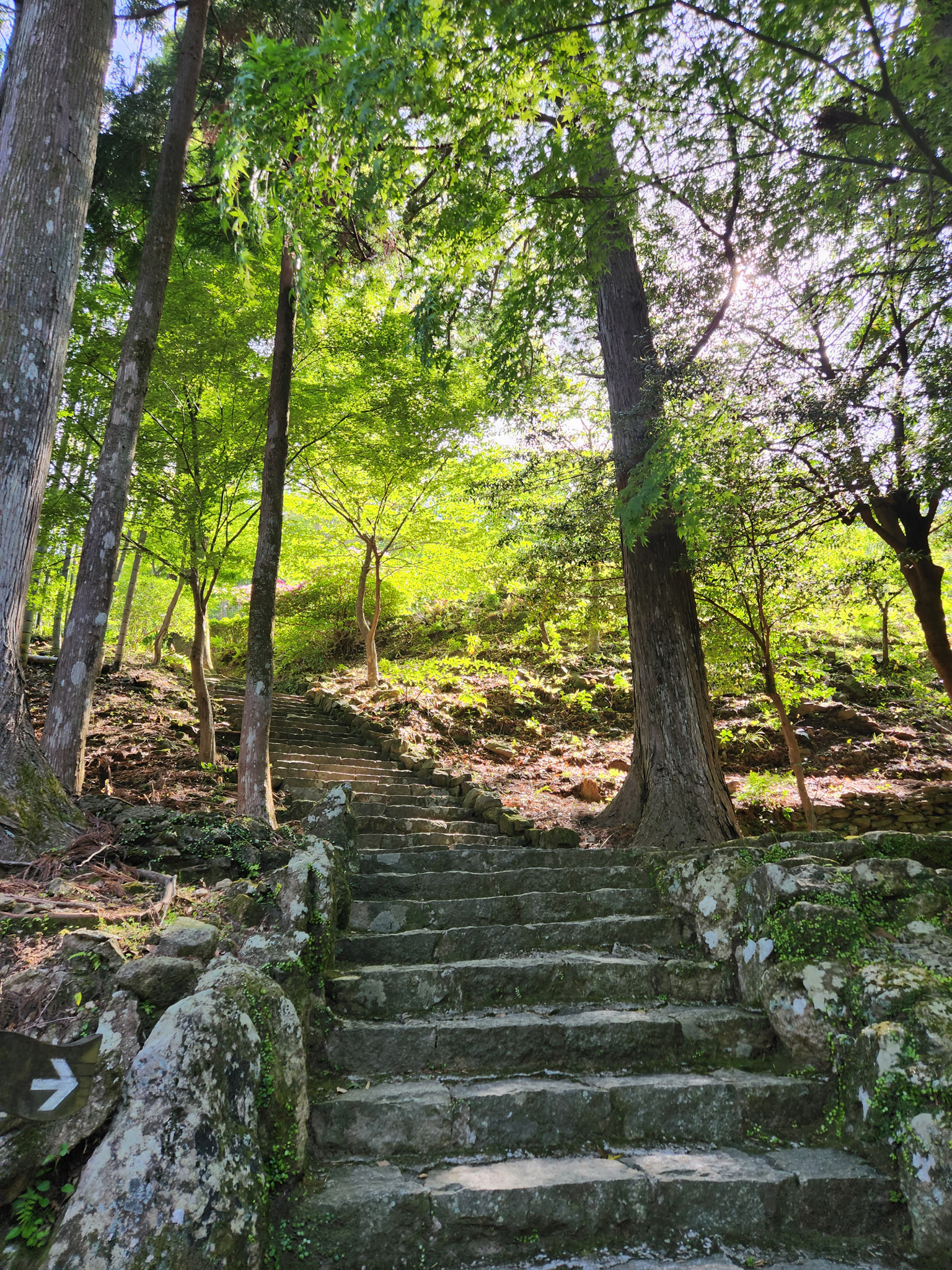
Reaching the rock requires climbing 538 incredibly steep, irregular stone steps. There are sections without handrails, making it feel like a cliff-side scramble. Be sure to wear sneakers or hiking boots.
3. Kumano Nachi Taisha: Bliss in the Present and Japan’s Greatest Waterfall
Nachi Taisha is the place to pray for “connections in your current life.” Here, the highlight is exploring the entire Nachi mountain area.
●Nachi Falls:
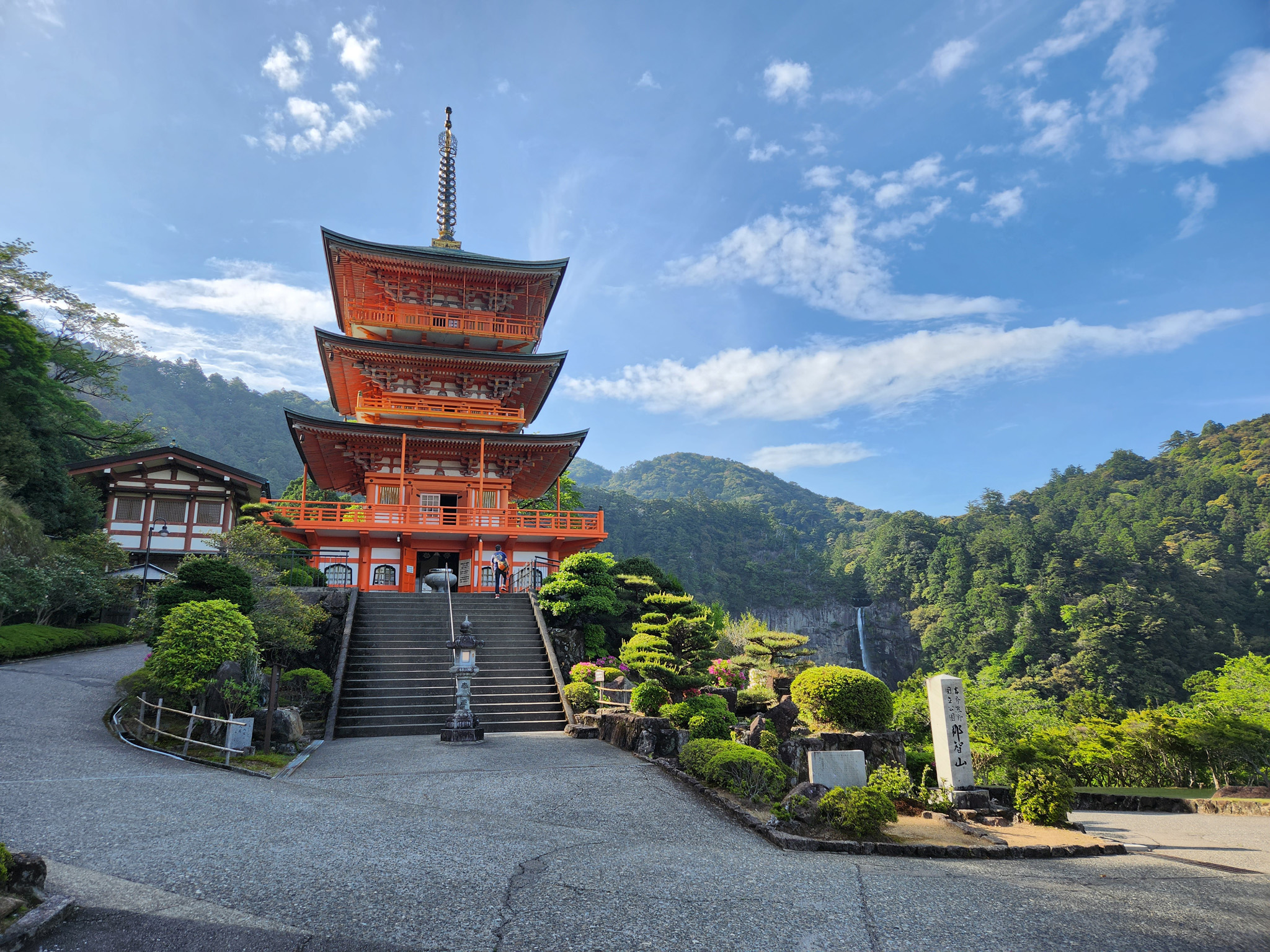
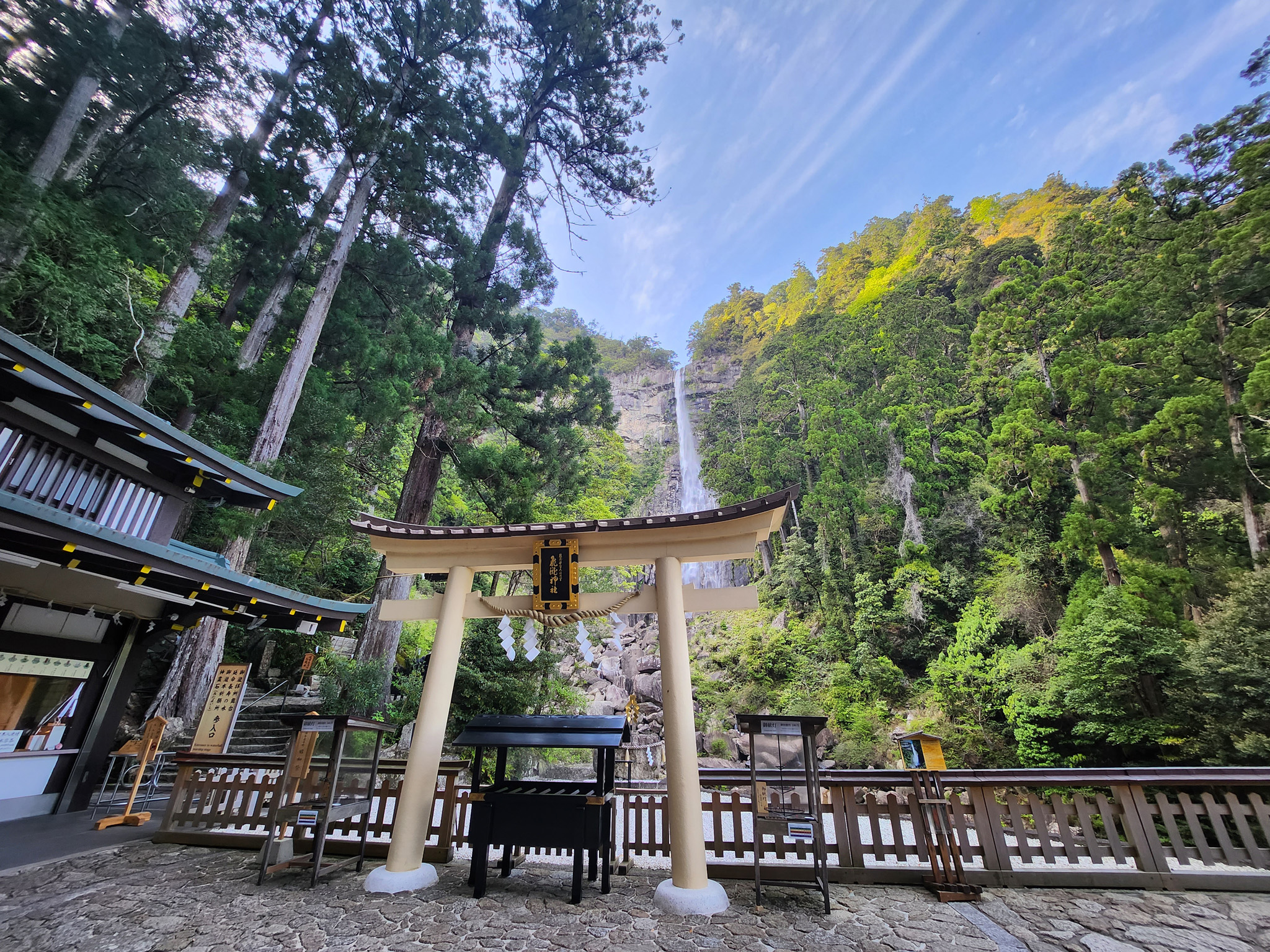
Dropping 133 meters in a single plume, this is also famous as one of Japan’s three greatest waterfalls. The waterfall itself is worshipped as a deity Ōnamuchi-no-Kami. At the “Otaki Haisho” observation deck, you can drink the “Sacred Water” believed to grant longevity. The sheer power and mist of the falls will wash your soul clean.
●Where Shinto Meets Buddhism:
Here, the boundary between the shrine and the neighboring Seiganto-ji Temple is seamless—a rare glimpse into Japan’s ancient “Shinbutsu-shugo” (syncretism). Taking time to walk slowly among the three-story pagoda, stone-paved paths, and primeval forest is a form of “moving meditation.”
The Legendary Guide: The Yatagarasu and Emperor Jimmu
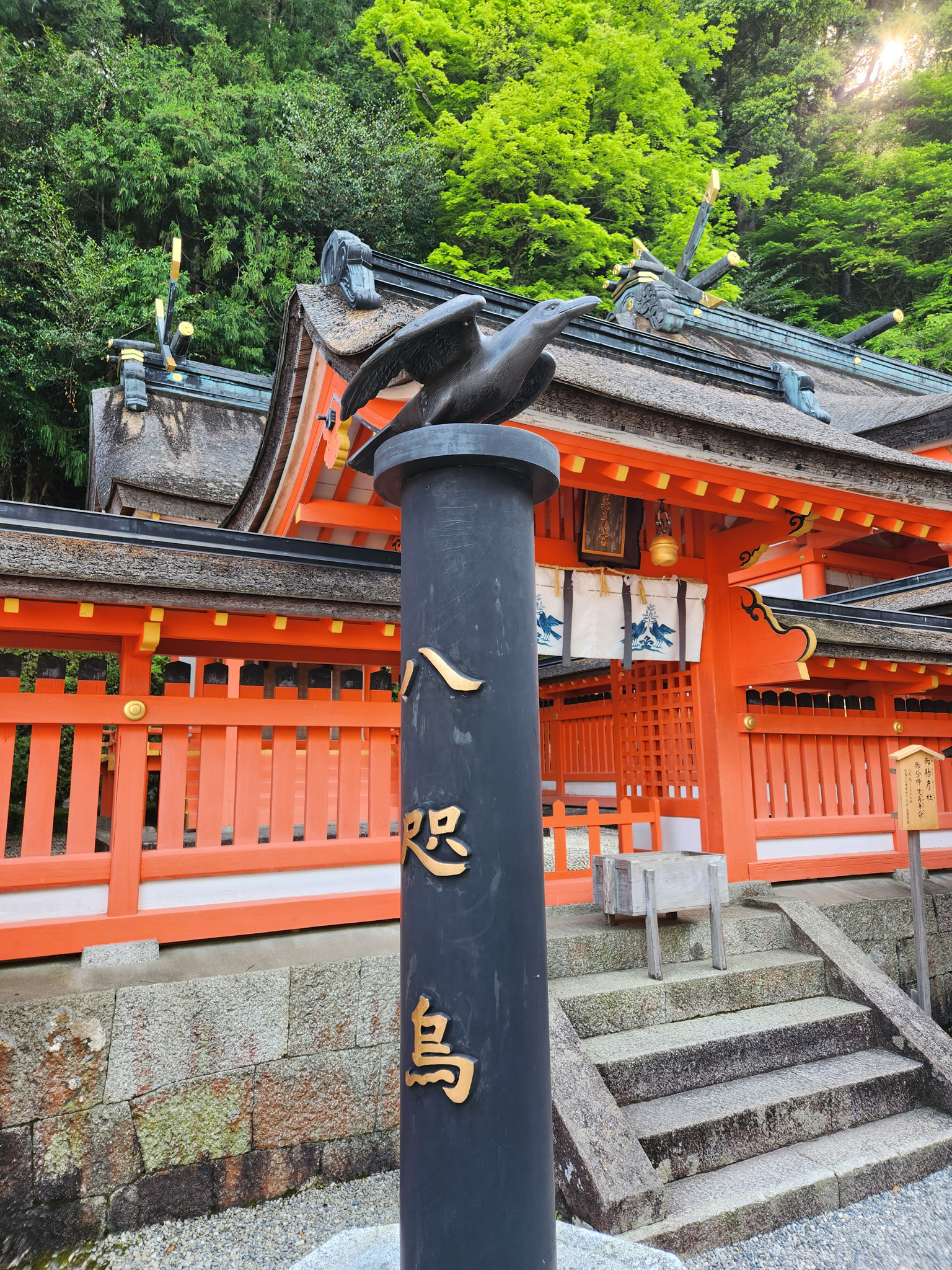
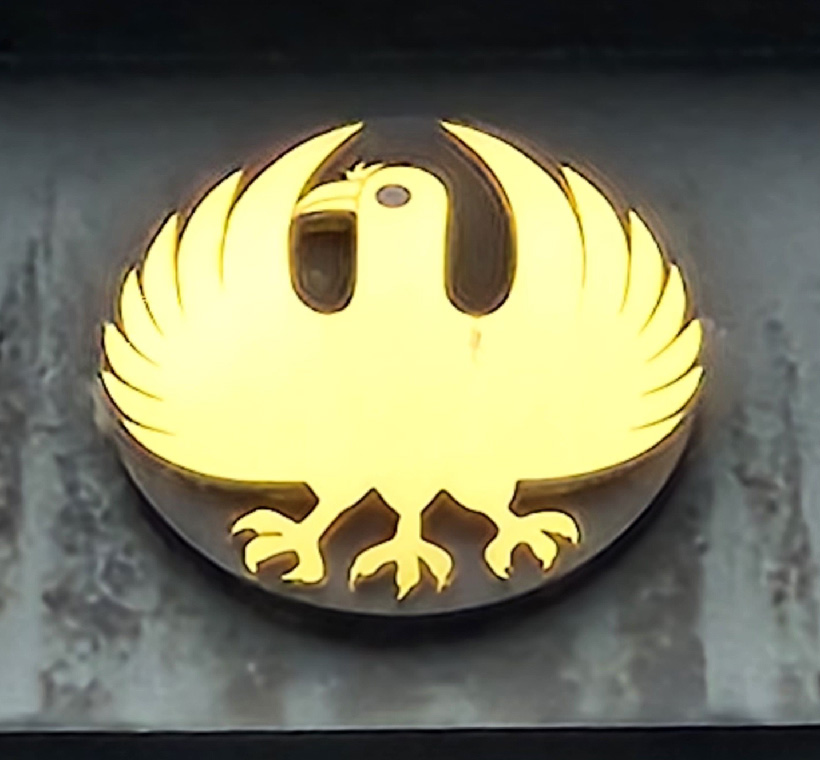
Throughout Kumano, you will see the symbol of a three-legged crow called “Yatagarasu(八咫烏)”. According to myth, when Japan’s first Emperor, Jimmu(神武), was lost on a mountain path, the heavens sent “Yatagarasu” to guide him to victory. Today, it is worshipped as the “God of Guidance” who shows the right path during difficult times.
Etiquette: How to Worship
[1]Bow at the Torii Gate:
This is the entrance to the deity’s home. Remove your hat and give a small, respectful bow before entering.
The center of the approach path is reserved for the deity’s passage. When visiting, walk on the right or left side. Note that some shrines designate specific sides (right or left), so follow their instructions. [3]The Offering (Saisen):
Gently place a coin into the wooden box. While any amount is a token of gratitude, the 5-yen coin is considered auspicious. This is because “5-yen” (Go-en) sounds exactly like the Japanese word for “Good Fortune/Divine Connection.” [4]The Ritual:
Follow the “2 Bows, 2 Claps, 1 Bow” rule. Bow deeply twice, clap your hands twice to announce your presence to the deity, offer your silent prayer of thanks, and give one final deep bow.
A Journey for the Soul
Leave the noise of the city behind this January. Between the deep UNESCO-protected forests, the prehistoric boulders, and the mist of Japan’s greatest waterfall, your New Year will begin with a clarity you’ve never experienced before.
You don’t have to visit all three shrines to find peace—even visiting just one that resonates with you is a powerful step.
The sacred “Land of Rebirth” is waiting for you.
For more details about Hatsumōde, please also see the article below.
HATSUMŌDE
Lean more about KUMANO.
・The Official Wakayama Travel Guide
・WAKAYAMA PREFECTURE WORLD HERITAGE CENTER
・Kumano Hongu Tourist Association official website
・Tanabe City Kumano Tourism Bureau
・SHINGU CITY TOURIST ASSOCIATION
・NACHI KATSUURA TOURISM


